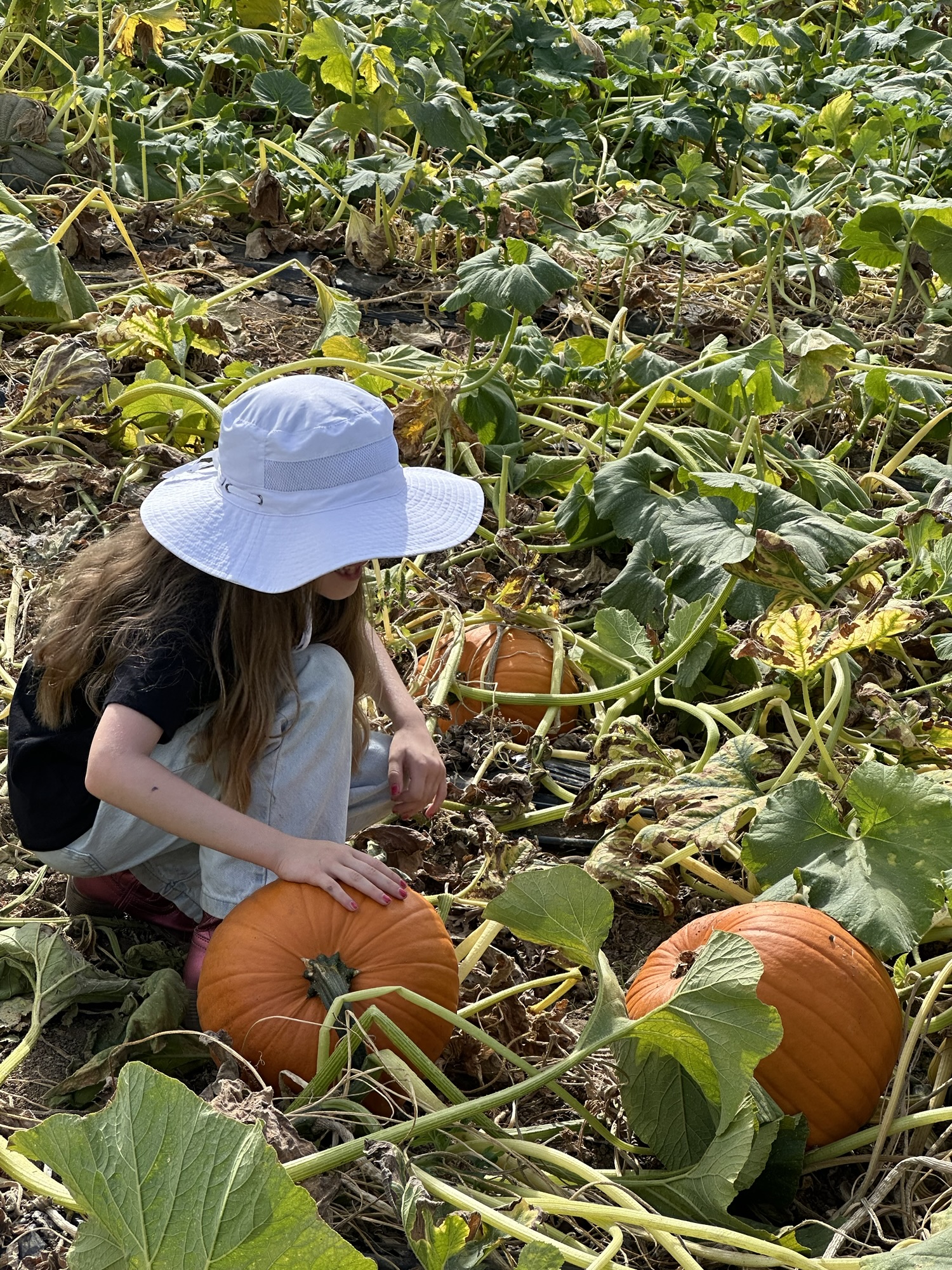
I LOVE pumpkin. We’ve had no shortage of pumpkin loaded recipes around here. And pumpkin seeds, AKA pepitas, are sprinkled on meals daily no matter the season.
Studies on pumpkins suggest they may have benefits in managing several chronic diseases including diabetes, cancer, liver disorders, cardiovascular diseases and depression (1). Researchers have also reported antimicrobial, anti-inflammatory, antioxidant and anti-ulcerative properties. Additionally, evidence suggests pumpkin may fight melanoma and cataracts, as well as promote male fertility (2).
Pumpkin flesh, which is included in pumpkin puree, is a rich source of phytochemicals and antioxidants (2). Phytochemicals are components in plants that protect them from environmental threats. These beneficial elements extend to promote human health when consumed. Additionally, pumpkin puree is rich in fiber, vitamins and minerals. It owes its orange hue to its high content of carotenoids, which our body converts into Vitamin A.
Pepitas are good source of protein, iron, copper and zinc (3). They are an excellent source of manganese, magnesium and phosphorus. Like pumpkin flesh, pepitas contain phytochemicals and antioxidants.
This time of year, I love to swap out bananas for pumpkin puree in muffins, cookies, pancakes, and waffles. While the water content is noted to be slightly higher than bananas (3), I find canned pumpkin puree tends to seem more dry in recipes. Since pumpkin is less sweet than bananas (ripe), the addition of an extra 1-2 tablespoons of liquid sweetener such as maple syrup often produces a good result.
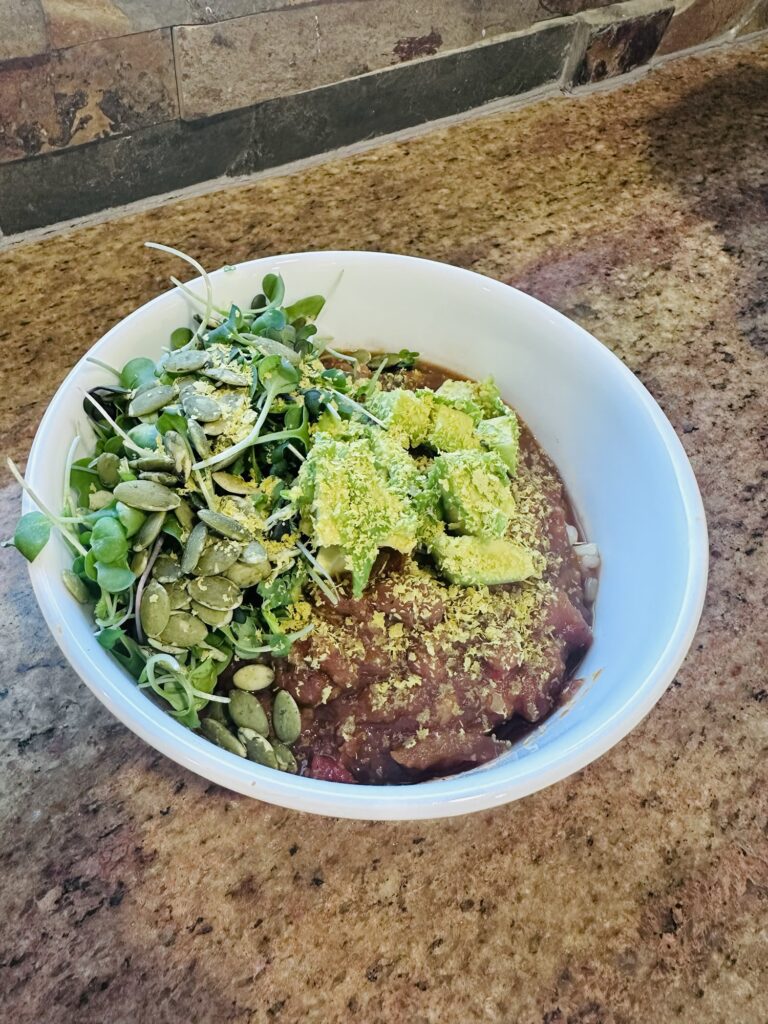
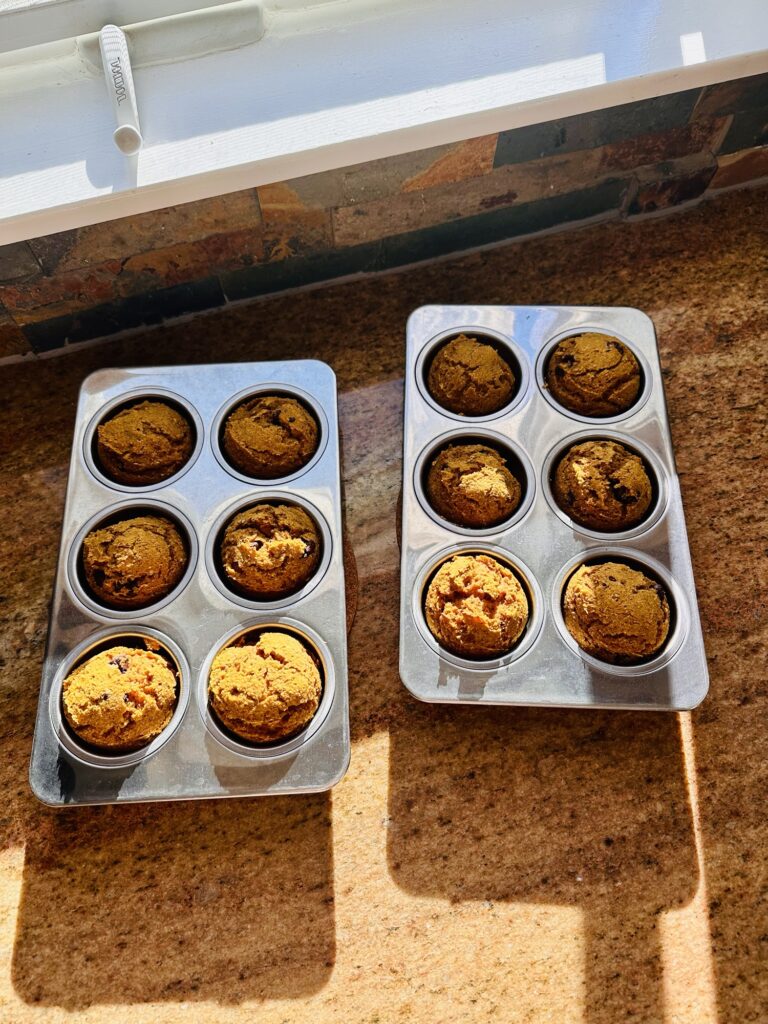
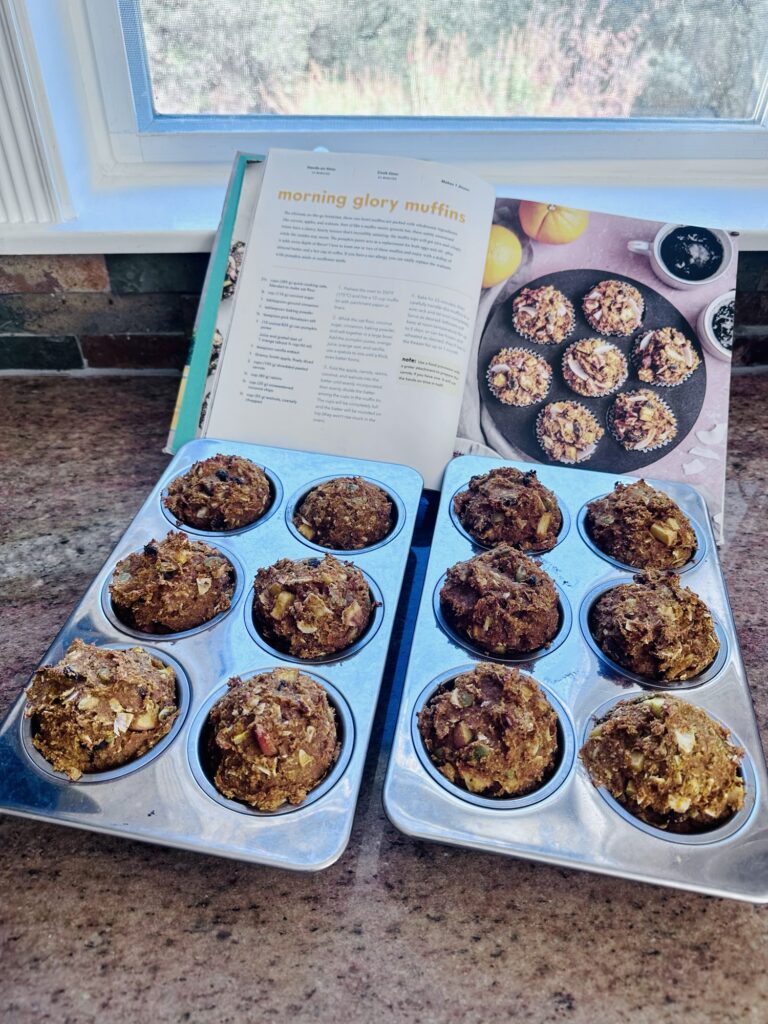
So far this season, we’ve enjoyed pumpkin chili, pumpkin chocolate chip muffins and morning glory muffins that use pumpkin puree as a base.
Sources
(1) Batool, Maria et al. Nutritional Value, Phytochemical Potential, and Therapeutic Benefits of Pumpkin (Cucurbita sp.). Plants 2022, 11, 1394.
(2) Aziz, Afifa et al. Pumpkin and Pumpkin Byproducts: Phytochemical Constitutes, Food Application and Health Benefits. ACS Omega 2023, 8, 23346-23357.
(3) https://fdc.nal.usda.gov/food-search (accessed 10/12/2026).